The Cultural Impact of Space Exploration
Space travel has always been a source of national pride and technological prowess. But in 2026, as we push further into the cosmos, something extraordinary is happening. It’s not just about the technology, the science, or the race to Mars—it’s about how these ventures are weaving into the fabric of our global identity.
Space agencies from around the world, including NASA, ESA, and China’s CNSA, are collaborating like never before. This unity is fostering a collective culture of exploration that transcends borders and reshapes our earthly identities.
From ‘One Small Step’ to ‘Our Giant Leap’
Over fifty years ago, Neil Armstrong’s ‘one small step’ was a moment of American achievement, broadcasted around the world. Fast forward to 2026, and the first international crewed mission to Europa—a joint venture involving astronauts from five continents—symbolizes a new era. This ‘giant leap’ reflects not one nation’s victory, but humanity’s shared triumph.
The crew, composed of scientists, engineers, and artists, is a microcosm of Earth’s diversity. Each member brings their cultural narratives, fostering a holistic view of curiosity and unity. Rituals and traditions are shared, from Indian space-flight blessings to Japanese tea ceremonies, creating a rich tapestry of human experience in space.
Art and Expression Beyond Earth
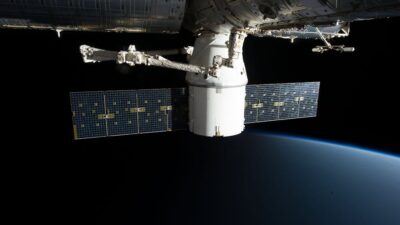
Artistic expression has always mirrored human evolution, and space is no exception. In 2026, the International Space Station (ISS) is not just a laboratory; it has become a hub for cultural exchange. Astronauts aboard the ISS participate in live art performances, broadcasted to classrooms and museums worldwide.
Imagine a choreographed zero-gravity dance, streamed to Earth as part of a global celebration of the arts. Or consider musical collaborations where artists from different continents synchronize a symphony inspired by cosmic phenomena. Space has become a blank canvas for creativity, inspiring a new genre of space-themed art and literature that reflects our collective hopes and dreams.
Education Reimagined: Learning from the Stars
The advent of space missions has revolutionized how we approach education. Schools across the globe are integrating space exploration into their curricula, using real-time data from missions. Students in Brazil and Kenya can participate in virtual reality field trips to Martian landscapes or Europa’s icy crust, guided by astronauts.
This immersive learning fosters a sense of global citizenship. Children are growing up with the understanding that their future is both earthly and interstellar. By connecting students with astronauts and scientists, we’re cultivating a generation that sees the cosmos not as a distant dream but as a tangible extension of their world.
Space Tourism: Bridging Cultures
With the rise of commercial space flights, tourism is no longer confined to our planet. Companies like SpaceX, Blue Origin, and Virgin Galactic are offering trips that promise not just adventure, but a profound cultural exchange.
Space tourists, hailing from various nations, find themselves sharing once-in-a-lifetime experiences with fellow travelers from around the world. These journeys create new friendships and perspectives, allowing participants to bond over the awe of viewing Earth from space—a small, interconnected blue dot suspended in the vastness.
Practical Takeaway: Embrace the Cosmic Culture
As space exploration becomes increasingly accessible, it’s shaping us as a species. The cosmos is not just a destination; it’s a cultural frontier. To truly embrace this new era, encourage conversations about space at your dinner table, participate in local space-themed events, and support educational programs that integrate space studies.
By doing so, we not only foster a global identity but also inspire each other to dream bigger, explore further, and unite in our quest to understand the universe. The next time you look up at the night sky, remember that it’s a shared experience—a reflection of our collective journey into the cosmos.