The Legacy of the Voyager Probes: Still Traveling in 2026
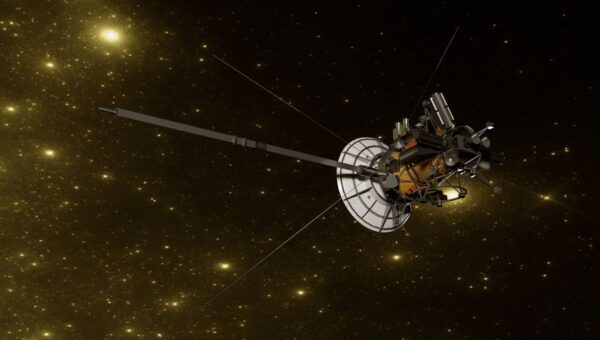
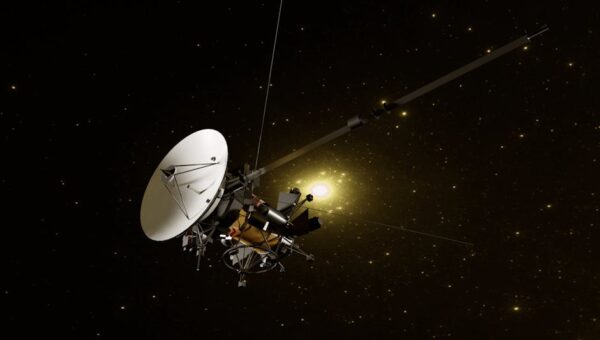
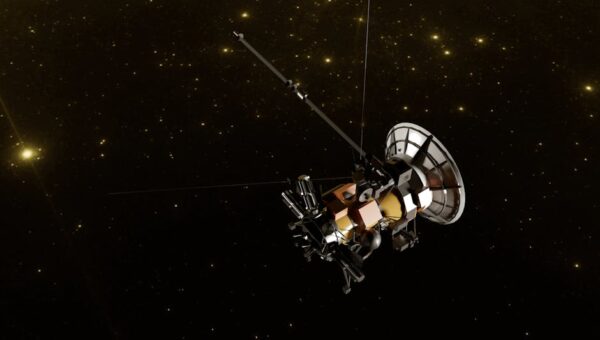
The Voyager probes, launched in 1977, continue to explore beyond our solar system in 2026, surpassing all expectations and leaving a lasting legacy in space exploration.
History and space exploration and science
The Voyager probes, launched in 1977, continue to explore beyond our solar system in 2026, surpassing all expectations and leaving a lasting legacy in space exploration.
Space tourism is transforming future space missions by driving technological advancements, increasing funding, and sparking public interest, while raising environmental and ethical concerns.
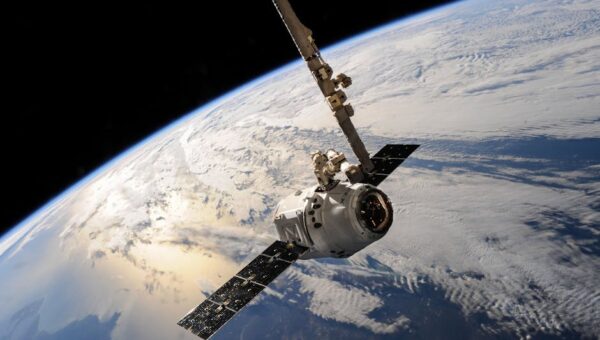
In 2026, satellites are more vital than ever, revolutionizing communication, enhancing climate monitoring, and advancing scientific research. These unsung heroes in space are integral to our daily lives.
Interstellar travel, a concept long romanticized in science fiction, faces significant scientific and technological challenges. However, advancements in propulsion technologies, theoretical physics, and AI bring us closer to the stars.
The future of black hole research promises transformative discoveries as technological advancements and international collaborations propel our understanding of these cosmic enigmas to new heights.
Anticipate groundbreaking space discoveries in 2027, from Europa’s secrets and the Artemis III Moon landing to advancements in space mining and AI in exploration.
Discover the pivotal events that have shaped modern astronomy, from the invention of the telescope to the launch of the Hubble Space Telescope.
Space exploration is more accessible than ever, allowing you to track spacecraft launches from your own backyard with a little preparation and the right tools.