Chronicles of the Cosmic Archaeologists: Unearthing the Secrets of Space in 2026
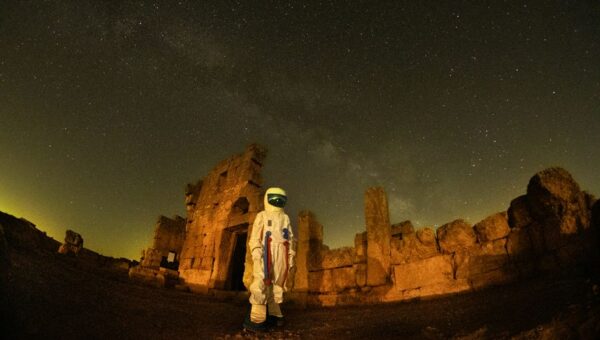
Cosmic archaeology in 2026 is unraveling the universe’s secrets through the study of celestial relics, offering fresh insights into our cosmic history.
History and space exploration and science
Cosmic archaeology in 2026 is unraveling the universe’s secrets through the study of celestial relics, offering fresh insights into our cosmic history.

Solar sailing is revolutionizing space travel in 2026, offering sustainable and cost-effective exploration by harnessing sunlight for propulsion.
In 2026, celestial cartography is undergoing a renaissance, driven by AI and advanced telescopes, to map the stars, dark matter, and exoplanets with unprecedented detail.
The field of exoplanet discovery is reshaping our understanding of the universe in 2026, with groundbreaking technological advances and significant cultural impacts.
In 2026, the ancient art of celestial navigation is shaping the future of space travel, blending historical techniques with cutting-edge technology to guide spacecraft through the cosmos.
2026 marks a pivotal year in humanity’s quest to colonize Mars, with technological advances bringing us closer to becoming a multi-planetary species. This article explores current missions, innovations, and the ethical questions surrounding our next great leap.
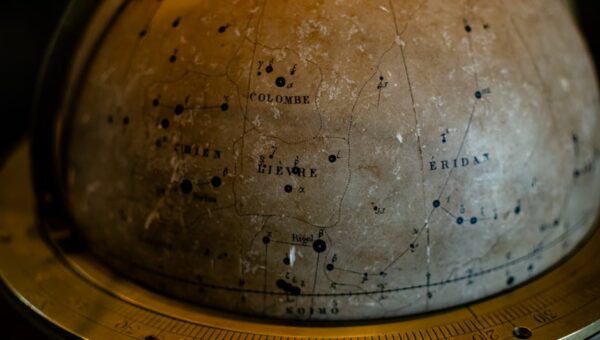
Discover how ancient celestial maps are guiding modern space exploration, bridging the past and future of astronomy.
Explore the wonders of space with these 10 must-watch documentaries of 2026, offering an engaging blend of science and storytelling.
Long-duration space missions present significant challenges for astronauts, from psychological isolation to physical health issues exacerbated by microgravity and radiation.
The Hubble Space Telescope has been a pivotal tool in astronomical research, revealing the universe’s secrets since its launch in 1990. Its story is one of scientific triumph and human ingenuity.