The Vision of the Cosmic Greenhouse
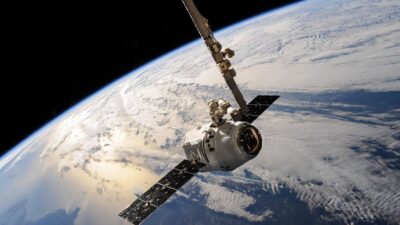
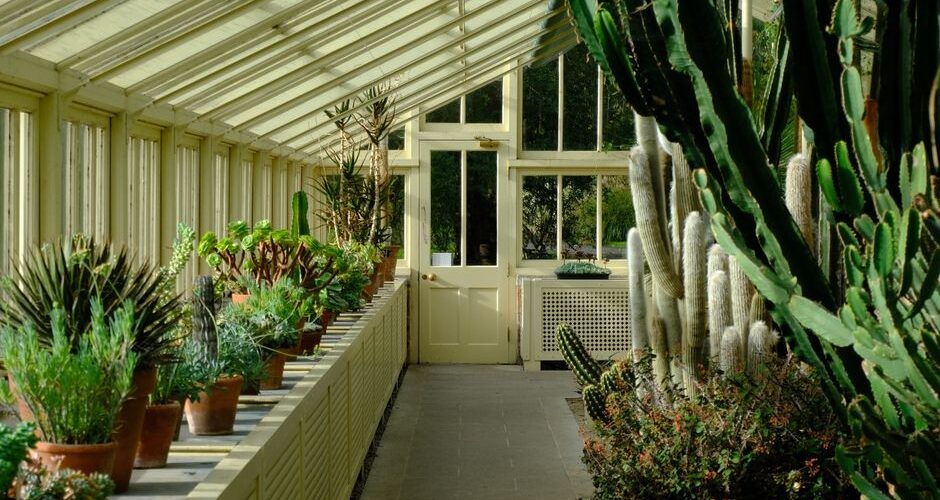
Imagine an extraterrestrial garden, a lush oasis floating in the void of space. As we stand on the cusp of 2027, this once-fanciful vision is steadily coming to life. The drive to establish sustainable space habitats is no longer just a dream but an imperative step in our journey beyond Earth. The concept of these celestial greenhouses is redefining how we perceive life beyond our planet.
Revolutionizing Food Production in Space
One of the primary goals of sustainable space habitats is to revolutionize food production off-Earth. Traditional supply chains from Earth to space are not only costly but also unsustainable for long-term missions. Enter the cosmic greenhouse model, where hydroponics and aeroponics play leading roles. Utilizing cutting-edge technology, scientists at the International Space Station (ISS) have already successfully grown lettuce, radishes, and wheat. These experiments are the building blocks of future space farms, aiming to provide nutritious, fresh food for astronauts traversing the cosmos.
- Hydroponics: This soil-less technique uses nutrient-rich water solutions, reducing water consumption by up to 90% compared to traditional farming methods.
- Aeroponics: Plants are suspended in the air while being misted with nutrient solutions, optimizing oxygen access and promoting faster growth.
These innovations are not just about feeding astronauts but creating a self-sustaining ecosystem where plants contribute to life support systems by recycling carbon dioxide and generating oxygen.
Energy Efficiency: Solar Dominance
The cosmic greenhouse concept is intrinsically linked to solar energy utilization. Solar panels have been the lifeline of space missions, but with advancements in photovoltaic technology, their efficiency is skyrocketing. The latest perovskite solar cells, with an efficiency rate of over 29%, are primed to power these space habitats. By strategically positioning solar arrays around orbital habitats or on the lunar surface, we can harness abundant solar energy, reducing reliance on Earth-based resources.
Moreover, researchers are exploring ways to integrate solar panels directly into the structure of greenhouses, ensuring that every inch of the habitat works towards a sustainable future.
Water Recycling and Management
Water, the lifeblood of any ecosystem, is a precious commodity in space. The cosmic greenhouse framework includes advanced water recycling systems, which have already seen successful implementation aboard the ISS. These systems recycle urine, sweat, and even exhaled breath, turning them back into drinkable water. This closed-loop system is crucial for long-duration missions, minimizing the need for constant resupply missions from Earth.
Additionally, the condensation from plant transpiration is collected and reused, weaving a seamless cycle of water efficiency within the habitat. Such innovations are not only pivotal for space but could revolutionize water management strategies back on Earth.
The Role of AI and Robotics
Artificial intelligence and robotics are the backbone of these sustainable space habitats. AI algorithms manage environmental conditions within the greenhouse, adjusting light, temperature, and humidity to optimize plant growth. Drones and robotic arms aid in planting, harvesting, and maintenance tasks, reducing the need for human intervention.
Robotic systems are also being developed to repair and maintain the greenhouse infrastructure, ensuring that the habitat remains a safe and efficient environment for both plants and humans. These technologies could one day allow for autonomous operations, laying the groundwork for future colonization efforts beyond Earth.
The Path Forward: Cosmic Greenhouses on Mars
As we look to the future, Mars stands as the ultimate testbed for these cosmic greenhouses. NASA’s Artemis program aims to establish a sustainable human presence on the Moon as a stepping stone to Mars. The lessons learned from lunar greenhouses will inform the design and functionality of Martian habitats. Here, the challenge intensifies with the need to shield crops from harsh radiation and utilize available resources, such as water ice, effectively.
Collaborations between agencies like NASA and ESA, along with private companies, are accelerating this mission. By 2027, the goal is to have test beds on Mars replicating the conditions and processes of these space-based greenhouses, ensuring that when humans step onto the Red Planet, they have a self-sufficient means to thrive.
Ultimately, the journey to sustainable space habitats is about more than survival; it’s about thriving in new environments, pushing the boundaries of what’s possible, and ensuring the legacy of humanity is written across the stars.
Practical Takeaway: Embracing Space Innovations for Earth
The innovations driving the development of sustainable space habitats are not isolated to the cosmos. These groundbreaking technologies offer tangible solutions for Earth’s challenges, from water scarcity to food insecurity. By fostering a symbiotic relationship between space exploration and terrestrial needs, we can build a future where both planets thrive. Embrace these advancements, for they hold the potential to redefine life both on Earth and among the stars.