Introduction: A New Era of Exploration
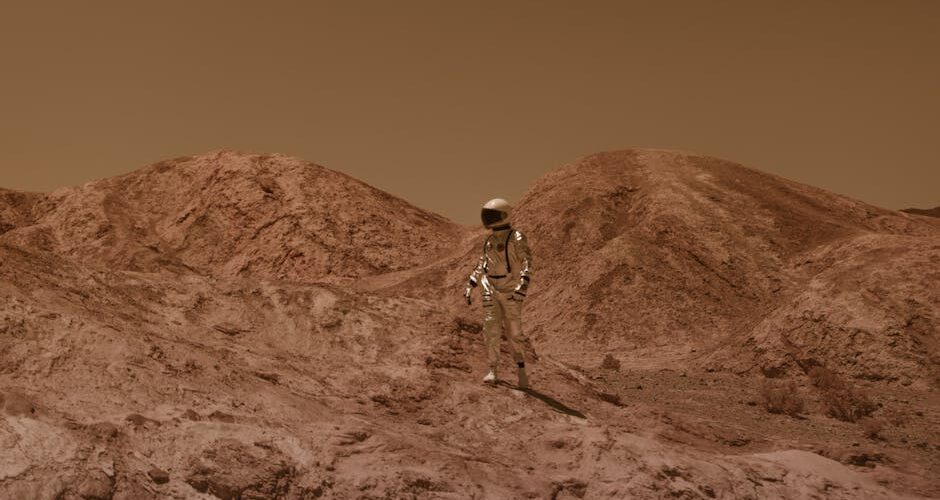
As 2026 unfolds, the dream of establishing a human presence on Mars is closer to reality than ever. With multiple space agencies and private companies investing heavily in Martian exploration, the red planet no longer seems like an unattainable goal. This ambitious journey marks a significant step forward in human history, mirroring the great explorations of the past but on a cosmic scale.
Current Mars Missions: Setting the Stage for Colonization
The current Martian landscape is bustling with activity from Earth. NASA’s Perseverance rover, which landed in 2021, continues its mission of seeking signs of ancient life, while new entrants like China’s Zhurong rover and the European Space Agency’s ExoMars mission add to the wealth of data being collected. These missions are not only exploring Mars’ surface but are also paving the way for human colonization by testing critical technologies for future crewed missions.
The Mars Sample Return mission, a collaboration between NASA and ESA, aims to bring back Martian soil by the end of this decade. The success of this mission is crucial, as analyzing Martian soil and dust will guide efforts in constructing habitats and sustaining human life on Mars.
Technological Innovations: Bridging the Gap Between Earth and Mars
Technology is the backbone of Mars colonization. In 2026, advances in propulsion systems, communication technologies, and life-support systems are making the journey and settlement on Mars increasingly feasible. SpaceX’s Starship, designed to carry large numbers of people and cargo to Mars, is undergoing rigorous testing, with plans to conduct its first crewed mission soon.
- Propulsion Systems: The development of nuclear thermal propulsion promises to cut travel time to Mars by half, reducing the journey from six months to about three. This not only makes the trip more feasible but also decreases the risks associated with prolonged space travel.
- Communication: With Mars being at least 54.6 million kilometers away from Earth at its closest approach, establishing reliable communication is paramount. The deployment of advanced relay satellites is helping minimize the time delay, ensuring smoother operations between ground teams and Mars missions.
- Life-Support Systems: New advancements in closed-loop life-support systems are enabling the recycling of air, water, and waste, crucial for long-term survival on Mars.
Ethical and Environmental Considerations
The prospect of Mars colonization inevitably brings up ethical and environmental concerns. One of the primary debates is the potential for contamination—both of Mars by humans and vice versa. Rigorous planetary protection protocols are being implemented to prevent biological contamination, ensuring that Mars remains pristine for scientific study.
Furthermore, the ethical implications of establishing a human colony on Mars are being widely debated. Who gets to decide on the governance of Martian settlements? How do we ensure the sustainable use of Mars’ resources? These questions are essential as we consider the rights and responsibilities of being interplanetary citizens.
The Role of International Collaboration
International collaboration is proving to be a cornerstone of Mars colonization efforts. Programs like the Artemis Accords are fostering international partnerships, setting guidelines for peaceful and cooperative exploration of space. Countries that were once competitors in the space race are now working together to achieve a common goal.
These partnerships not only pool resources and expertise but also help develop a unified framework for tackling the challenges of Mars colonization. Such cooperative efforts are crucial in addressing the complex logistics, technological hurdles, and ethical considerations associated with establishing a human presence on another planet.
Practical Takeaway: What This Means for Humanity
The drive to colonize Mars is about much more than just planting a flag on a new world. It’s about ensuring the long-term survival of our species, advancing our scientific understanding, and inspiring a new generation of explorers. As we stand on the brink of becoming a multi-planetary species, these efforts are a reminder of humanity’s unyielding spirit of exploration.
For those on Earth, the technological innovations and international collaborations fostered by Mars colonization efforts can lead to significant advancements in various fields, from clean energy to biotechnology. The journey to Mars serves as a catalyst for innovation and cooperation, with benefits that will ripple throughout society.