The Evolution of Space Suits: From Apollo to 2026
The journey of humanity into the cosmos has been a story of ambition, discovery, and remarkable innovation. One of the most iconic symbols of this journey is the space suit. These garments not only protect astronauts from the harsh environments of space but also represent the cutting-edge of human ingenuity. From the bulky suits of the Apollo missions to the sleek, high-tech outfits of 2026, space suits have evolved dramatically over the decades. So, what has driven these changes, and what does the future hold?
The Apollo Era: Pioneers of Space Exploration
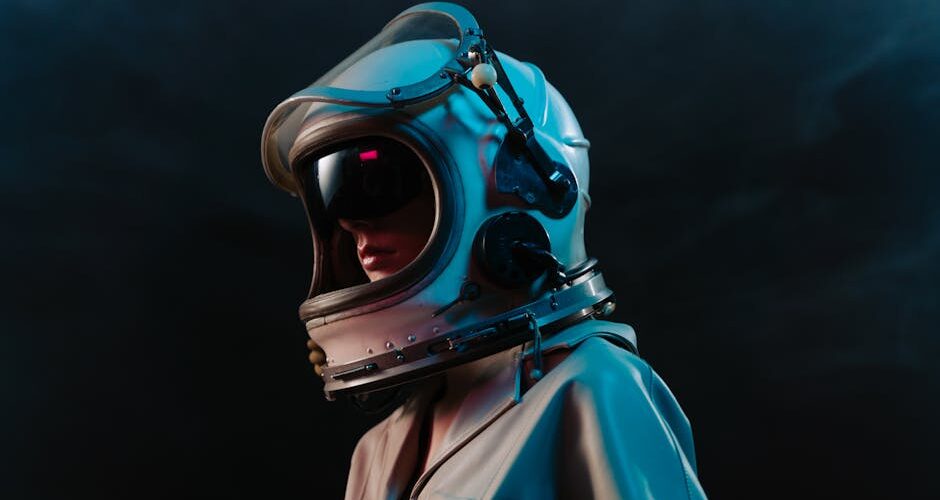
The Apollo era marked a defining moment in space exploration. In the 1960s and 70s, NASA’s Apollo missions successfully landed humans on the Moon. The iconic space suits worn by astronauts during these missions, known as the A7L suits, were a triumph of engineering for their time. Designed by ILC Dover in collaboration with NASA, these suits were made to withstand the Moon’s harsh environment.
Features of the A7L Suit:
- Layers of Protection: The A7L suits had multiple layers, including thermal micrometeoroid protection, to shield astronauts from extreme temperatures and tiny space particles.
- Mobility and Flexibility: Despite their bulk, these suits allowed astronauts to walk, bend, and work on the lunar surface, a crucial feature for the success of lunar missions.
- Life Support: The Portable Life Support System (PLSS) on the back supplied oxygen, regulated temperature, and managed carbon dioxide levels, ensuring the astronaut’s survival.
The A7L suits were a marvel of their time, enabling astronauts like Neil Armstrong and Buzz Aldrin to make giant leaps for mankind.
Enter the Shuttle Era: Efficiency and Reusability
The Space Shuttle program, which ran from 1981 to 2011, ushered in a new era of space travel. With it came the Extravehicular Mobility Unit (EMU), a suit designed for the unique demands of shuttle missions. Unlike the single-use Apollo suits, the EMUs were designed for multiple missions, emphasizing reusability.
Key Improvements in the EMU:
- Modular Design: EMUs were built in interchangeable parts, allowing for repairs and adjustments tailored to individual astronauts.
- Advanced Helmet System: Featuring improved communication systems and a clear, wide-field visor for better visibility, these helmets were a significant upgrade from their predecessors.
- Thermal Regulation: Enhanced thermal control systems kept astronauts comfortable during long spacewalks by better managing body heat and cold space exposure.
The Space Shuttle program’s emphasis on versatility and cost-effectiveness significantly influenced the design of space suits.
International Collaboration: The ISS Era
With the International Space Station (ISS), human presence in space became a collaborative international effort, involving agencies from around the world. This era saw improvements in space suit technology driven by the need for prolonged missions in microgravity environments.
Notable Developments:
- Russian Orlan Suits: Known for their simplicity and robustness, these suits are used for spacewalks and complement the American EMUs aboard the ISS.
- Enhanced Durability: Suits in this era incorporated advanced materials like Nomex and Kevlar, increasing their lifespan and resistance to wear and tear.
- Joint Designs: Advanced joint designs improved mobility, allowing astronauts to perform complex tasks with greater ease.
Space suits during the ISS era became symbols of unity and shared technological advancement, crucial to the station’s ongoing success.
The Dawn of Commercial Space Travel
The 2020s have seen an unprecedented rise in commercial space travel, with companies like SpaceX, Blue Origin, and Axiom Space leading the charge. This new chapter requires suits that are not only functional and safe but also comfortable and visually appealing to a broader range of users, including space tourists.
Innovations by Private Companies:
- SpaceX’s Starman Suit: With a sleek design inspired by science fiction, these suits emphasize aesthetics without compromising on safety, featuring touchscreen-compatible gloves and advanced communications systems.
- Blue Origin’s Design Philosophy: Combining robust engineering with wearer comfort, these suits focus on making orbital space travel accessible and enjoyable for non-professional astronauts.
- Customized Design: Tailored suits for individual customers, ensuring a perfect fit and enhanced comfort during flights.
The emergence of commercial space travel has sparked a renaissance in space suit design, blending functionality with style.
The Near Future: What 2026 Has in Store
As we move further into 2026, the evolution of space suits continues to be driven by new missions and technological advancements. The Artemis program, aimed at returning humans to the Moon, has led to the development of the new Exploration Extravehicular Mobility Units (xEMU).
Features of the xEMU:
- Improved Mobility: Advanced joint bearings enable a wider range of motion, essential for lunar exploration tasks.
- Enhanced Communication: The integration of augmented reality visors provides astronauts with critical data overlays during missions.
- Greater Customization: Modular systems allow for quick adjustments and repairs, crucial for the dynamic environment of lunar and potential Martian missions.
These suits are not just a product of necessity but a testament to human creativity and our relentless pursuit of the stars.
Practical Takeaway
The evolution of space suits from the Apollo era to 2026 is a remarkable story of scientific progress and human determination. As we continue to innovate and explore deeper into space, the lessons learned from past designs and the new technologies being developed will play a crucial role in shaping our future in the cosmos. Whether preparing for life on the Moon, Mars, or beyond, the space suits of tomorrow will be the key to unlocking the next giant leap for humankind.