How to Build Your Own Stargazing Kit
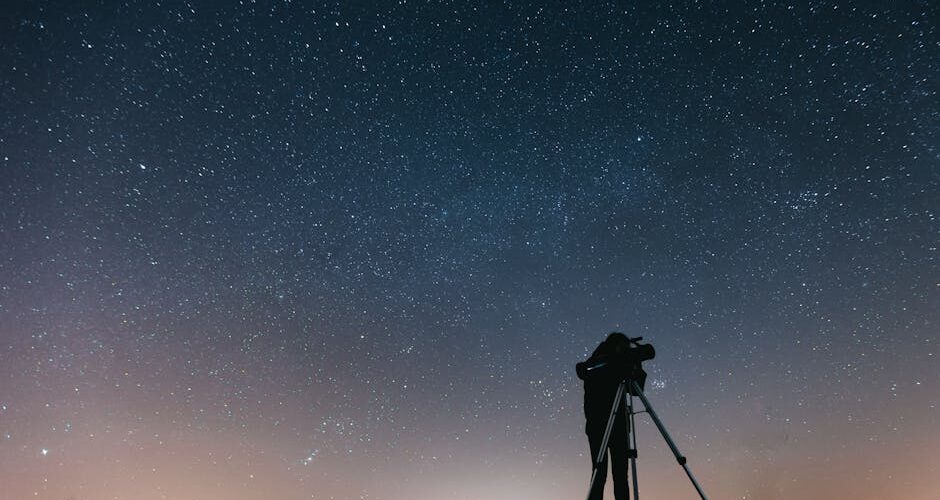
Have you ever gazed up at the night sky, feeling the lure of those shimmering celestial bodies? Stargazing has fascinated humans for millennia, connecting us to our shared past while opening a window to our cosmic future. Building your own stargazing kit can transform a casual interest into an immersive hobby. Here’s how to craft a kit that will enhance your own astronomical adventures.
Understanding Your Stargazing Needs
Before you start gathering equipment, it’s essential to understand what you hope to achieve with your stargazing kit. Are you interested in planetary observation, deep-sky objects, or meteor showers? Each of these interests may require different gear. For instance, the equipment needed to study the craters of the Moon differs significantly from that required to glimpse the distant Andromeda Galaxy.
Consider your location, too. If you live in a city like New York, the urban glow might limit your visibility, pushing you towards portable equipment that can be taken to darker skies. In contrast, rural residents with less light pollution might invest more in stationary setups. Tailoring your stargazing kit to your goals and environment is the first step toward an enlightening experience.
The Telescope: Your Stargazing Essential
A telescope is often the centerpiece of any stargazing kit. Choosing the right one can make or break your skywatching sessions. There are three main types: refractor, reflector, and compound telescopes.
- Refractor Telescopes: Known for their simplicity and reliability, refractor telescopes use lenses to bend and focus light. They’re ideal for viewing the moon and planets, offering crisp, clear images. A good entry-level refractor, like the Celestron AstroMaster 70AZ, will cost around $150.
- Reflector Telescopes: These use mirrors instead of lenses, making them excellent for deep-sky observation. If you’re interested in galaxies or nebulae, a reflector is a wise choice. The Orion SkyQuest XT8 comes highly recommended, priced at about $400.
- Compound Telescopes: Combining lenses and mirrors, compound telescopes are versatile but can be more expensive. They are compact and portable, making them great for both planetary and deep-sky observation. Expect to invest around $700 for a decent model like the Celestron NexStar 5SE.
Essential Accessories
While the telescope is crucial, several accessories can significantly enhance your stargazing experience:
- Eyepieces: These determine your telescope’s magnification. A range of eyepieces allows for flexible viewing options, from wide-field views to focused close-ups. A good start is a 25mm for wide views and a 10mm for detailed observations.
- Star Charts: Printed or electronic, star charts help you navigate the night sky. Many stargazers recommend the Sky & Telescope Pocket Sky Atlas for its accuracy and ease of use.
- Red Flashlight: Preserving your night vision is crucial. A red flashlight illuminates without causing your eyes to adjust back to daylight levels.
- Smartphone Apps: Applications like Stellarium or SkySafari can help identify celestial objects, track satellites, and plan your stargazing sessions.
Comfort and Convenience
Spending hours outdoors at night can be demanding without the right preparations. Equip yourself with items that ensure your comfort:
- Portable Seating: Look for a folding chair or a reclining camping chair to observe the skies in comfort. This is especially useful during events like meteor showers.
- Warm Clothing: Nights can be cold, even in summer. Dress in layers, and consider investing in thermal wear, gloves, and hats to keep warm.
- Portable Power Supply: A power bank is handy for keeping your devices charged, especially if you’re using apps or running electronic telescope controls.
- Notebook and Pen: Keep a record of what you observe. Over time, this log becomes a personal astronomical journal filled with discoveries.
Finding the Perfect Stargazing Spot
Even with the best equipment, location matters. Urban areas typically suffer from light pollution, a major hindrance to stargazing. Consider traveling to places like Cherry Springs State Park in Pennsylvania or the Atacama Desert in Chile, both renowned for their dark skies.
If traveling isn’t an option, check your local area for dark sky preserves or simply find a spot as far from city lights as possible. Even a small reduction in light pollution can make a substantial difference in what you can see.
Practical Takeaway: Start Simple, Grow Over Time
Building a stargazing kit is less about the initial investment and more about gradually expanding and refining your tools as your interest and expertise grow. Start with the basics: a reliable telescope and a good eyepiece. As you become more familiar with the night sky, expand your kit with additional accessories and equipment that cater to your specific interests and needs.
Remember, the goal is to make stargazing a joyous, awe-inspiring experience. With your own thoughtfully assembled stargazing kit, the mysteries of the cosmos are just a glance away.