The Intersection of Aesthetics and Functionality
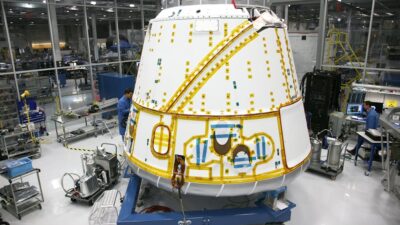
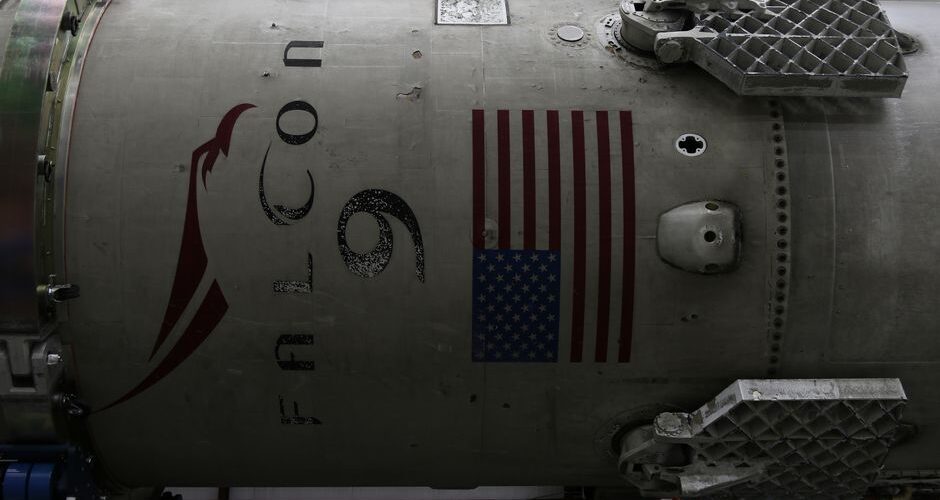
In 2026, spacecraft design encapsulates a mesmerizing blend of science and art. Engineers and artists collaborate more closely than ever, crafting vessels not only for their practical prowess but also for their aesthetic appeal. This fusion is evident in the sleek lines and innovative shapes emerging from space agencies like NASA, ESA, and private companies such as SpaceX and Blue Origin.
Take, for example, the recent unveiling of NASA’s Artemis III lunar lander. Its design features organic lines inspired by the curvature of lunar landscapes, seamlessly integrating advanced solar panels that mimic the wings of butterflies. Such creative influences not only enhance visual appeal but cleverly optimize aerodynamic efficiency and energy absorption.
The Role of Art in Space Exploration
The role of art in space exploration is more than just cosmetic. It embodies our cultural aspirations and philosophical reflections. In past years, missions were utilitarian, focusing solely on function. Today, as we aim to make space travel more accessible and relatable, aesthetics play a crucial role in humanizing these technological marvels.
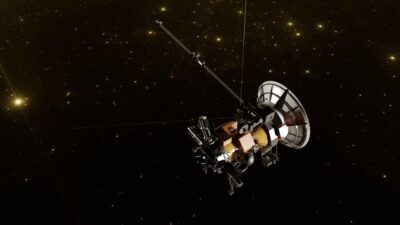
The European Space Agency’s Gaia mission, which maps the Milky Way, features a satellite with a golden hexagonal shield. The design serves not just a protective function against solar radiation but also symbolizes the sun, representing light and discovery—a fitting homage to humanity’s quest for knowledge.
Collaborative Creativity: Artists and Engineers
In contemporary spacecraft design, artists and engineers are no longer siloed. Collaborative workshops are the norm, with institutions like MIT’s Media Lab hosting ‘Design Jams’ where ideas flow freely. This creative synergy has led to innovations such as nanotech-infused hull patterns that reflect cosmic radiation, inspired by traditional Japanese art of origami.
Such collaborations have a practical side too. Engineers benefit from artists’ out-of-the-box thinking, leading to breakthroughs in materials and processes. Artists, on the other hand, find their muse in the possibilities of space, leading to a richer, more inclusive narrative around space exploration.
Visualizing the Future: Conceptual Designs of 2026
Conceptual designs in 2026 push boundaries further than ever before. The ‘Nomad’, a conceptual spacecraft developed by a consortium of global artists and scientists, exemplifies this trend. The Nomad’s exterior is a living mural, using advanced display technologies to project images and messages from Earth into the cosmos—essentially a canvas floating in space.
Such projects highlight how spacecraft can serve as storytelling platforms, transcending their primary functions to become cultural artifacts. The notion that a spacecraft can reflect humanity’s collective hopes and dreams is a profound shift from the past.
Practical Takeaway: Bridging the Gap Between Art and Science
The integration of art into spacecraft design is about more than aesthetics. It fosters a deeper connection with space exploration, inspiring the public and reminding us all of the beauty inherent in discovery. It challenges us to think creatively and look beyond traditional boundaries, blending form and function in ways that enrich our understanding and appreciation of the universe.
As we continue this journey into the cosmos, the collaboration between artists and engineers will be crucial in guiding our path. While technology propels us forward, art ensures that we carry with us the dreams and stories that define us as human beings.