The Impact of Space Tourism on Future Space Missions
Space tourism is no longer a mere concept in science fiction. By 2026, it has transformed into a tangible reality, offering civilian trips beyond Earth’s atmosphere. This development has stirred excitement and skepticism alike, and its implications on future space missions are profound. From technological advancements to ethical concerns, space tourism is rewriting the rules of space exploration.
The Technological Leap Forward
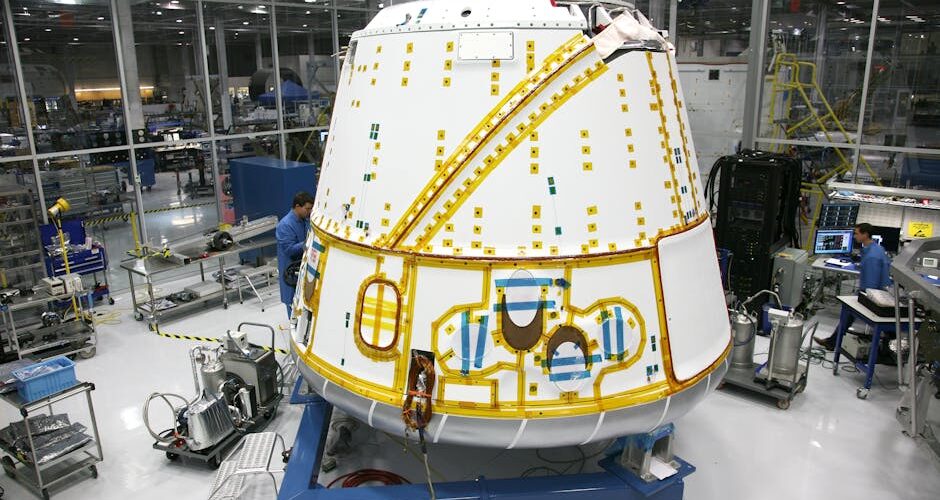
One of the most significant impacts of space tourism is the rapid technological advancements it has sparked. Companies like SpaceX, Blue Origin, and Virgin Galactic have invested billions into developing spacecraft that are not only capable of reaching space but also safe for civilian flight. For instance, SpaceX’s Starship, which successfully carried its first civilian crew in 2025, has demonstrated capabilities that far exceed previous spacecraft.
The demand for safe, reliable, and comfortable travel in space has driven innovation at an unprecedented pace. This has led to breakthroughs in reusable rocket technology, propulsion systems, and life-support mechanisms. These advancements are not only beneficial for tourism but also crucial for more ambitious missions, such as Mars colonization and deep-space exploration.
Funding and Investment Surge
Alongside technological advancements, space tourism has spurred a surge in funding and investment for space-related projects. The global space tourism market, valued at around $250 billion in 2025, has attracted private investors and government agencies alike. This influx of capital is vital for financing costly space missions that were once deemed economically unfeasible.
For instance, NASA’s Artemis program, which aims to establish a sustainable human presence on the Moon by the end of the decade, has benefited from partnerships with commercial spaceflight companies. These collaborations have reduced costs, increased efficiency, and accelerated mission timelines. The economic viability brought about by space tourism is paving the way for more frequent and ambitious missions beyond Earth.
Environmental and Ethical Considerations
Despite the positive impacts, space tourism also raises significant environmental and ethical concerns. The carbon footprint of launching spacecraft is substantial, and the increase in launches due to tourism could exacerbate climate change. Moreover, the ethical implications of space tourism cannot be ignored. The question of prioritizing resources for wealthy tourists over scientific research or humanitarian efforts is a contentious issue.
Addressing these concerns is crucial for the sustainable development of space tourism. Companies are exploring eco-friendly propulsion technologies and offsetting carbon emissions to mitigate the environmental impact. Additionally, international regulations and ethical guidelines are being developed to ensure equitable access to space and prioritize scientific exploration.
Shaping the Public’s Perception of Space
Space tourism is also shaping the public’s perception of space. By making space more accessible to civilians, it is demystifying the cosmos and inspiring a new generation of space enthusiasts. The firsthand experiences shared by tourists who have orbited the Earth or touched down on the Moon are captivating the public imagination.
This increased interest and involvement in space exploration can lead to stronger public support for future missions. As more people become aware of the marvels and challenges of space travel, there is a growing demand for educational programs and initiatives that promote STEM (Science, Technology, Engineering, and Mathematics) education.
The Future of Human Spaceflight
Looking ahead, the implications of space tourism for human spaceflight are monumental. The infrastructure and experience gained from transporting civilians can be leveraged for future missions to Mars and beyond. The goal of establishing human settlements on other planets is no longer a distant dream but an achievable objective.
The experiences of companies like SpaceX, which have perfected the art of rapid turnaround for spacecraft, are critical as we prepare for longer and more complex missions. The logistical and operational challenges faced in space tourism are analogous to those of future interplanetary travel, providing invaluable insights for their resolution.
Practical Takeaway: Space tourism is not just a niche luxury service; it is a catalyst for change in the broader scope of space exploration. By driving technological innovation, increasing funding, sparking public interest, and prompting ethical discussions, it is shaping the future trajectory of space missions. As we stand on the cusp of a new era in human spaceflight, the lessons learned from space tourism will be instrumental in realizing our aspirations in the final frontier.