How to Track the Latest Spacecraft Launches from Your Backyard
Space exploration has captured human imagination for decades, propelling our curiosities beyond the confines of Earth. With groundbreaking advancements in technology, our reliance on spacecraft to explore the universe is more significant than ever before. Watching these technological marvels launch into space is no longer confined to professional astronomers or those fortunate enough to live near launch sites. From your own backyard, you can now track these awe-inspiring events, feeling connected to the vastness of space.
The Magic of Rocketry: Understanding Space Launches
Rocket launches are spectacular showcases of human ingenuity. Each launch is a carefully orchestrated event with thousands of components working in harmony. To appreciate the full experience, it’s helpful to understand what’s happening. Rockets are launched from sites like the Kennedy Space Center in Florida or the Baikonur Cosmodrome in Kazakhstan. Each launch involves a countdown, a liftoff phase where the rocket escapes Earth’s gravitational pull, and stages that separate in succession.
Becoming familiar with these steps enriches the experience. For example, during a SpaceX Falcon 9 launch, the first stage burns for about two and a half minutes before separating and returning to Earth for a landing. Observing such precision adds a layer of depth to what might otherwise seem like a distant event.
Timing is Everything: When to Watch
Not every moment is created equal when it comes to watching spacecraft launches. The timing of a launch is influenced by a multitude of factors, including orbital mechanics, weather conditions, and the type of payload. Space agencies often aim for specific windows to ensure the vehicle reaches its destination efficiently.
To track these launches, keeping a close eye on schedules is crucial. Websites like NASA’s official site or SpaceX’s Twitter feed provide up-to-date information on upcoming launches. As of 2026, there are roughly 100 planned launches annually, a number that continues to grow. Setting alerts for these schedules can ensure you never miss a moment.
Gearing Up: Equipment You’ll Need
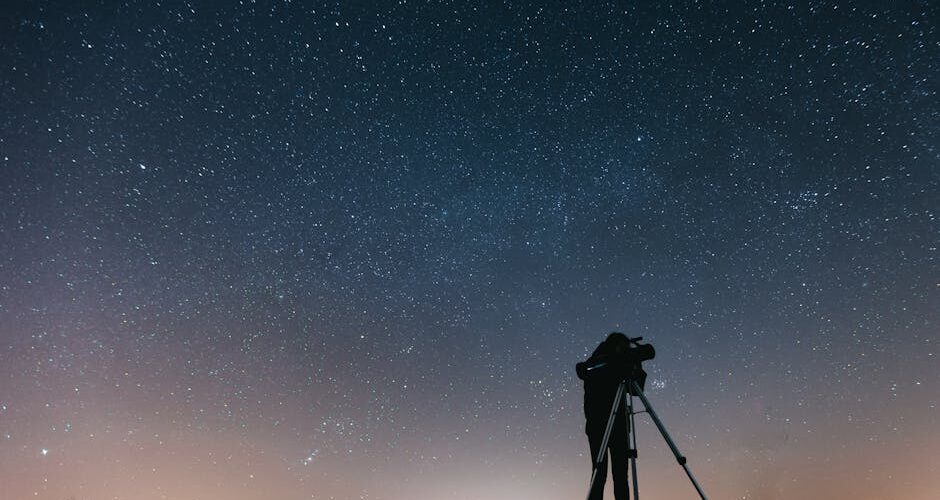
While you can see a rocket launch with the naked eye, having the right equipment can enhance your viewing experience. A pair of binoculars is a great starting point, allowing you to follow the rocket’s ascent clearly. For those keen on capturing these moments, a DSLR camera with a telephoto lens is invaluable.
If you’re particularly enthusiastic, consider investing in a telescope. Models from brands like Celestron offer clear views of rockets as they slice through the atmosphere. Remember, comfort is key, so bring a reclining chair and perhaps a blanket—launches can often be delayed, making patience a virtue.
The Importance of Location: Finding the Perfect Spot
Your backyard can be an ideal viewing location if you have a clear view of the sky. However, ensuring minimal light pollution enhances visibility. Cities like Flagstaff, Arizona, or even rural areas offer excellent viewing conditions due to their elevation and lack of urban glow.
Apps like Light Pollution Map can help you identify the best spots near you. Additionally, consider joining local astronomy clubs. These communities can provide insights into the best viewing practices and locations, offering camaraderie alongside the spectacle.
Shared Experiences: Joining the Global Community
Watching a spacecraft launch is not just a solitary experience. It’s a moment shared by millions worldwide. Social media platforms are abuzz with live streams and commentary during launches, creating a sense of global unity. Platforms like YouTube and Twitch regularly host live streams with expert commentary, bringing the launch experience to living rooms everywhere.
Engaging with these communities can enrich your understanding and appreciation of space exploration. Share your observations, exchange tips, and revel in the shared excitement of watching humanity reach for the stars.
Practical Takeaway: Stay Informed and Equipped
Tracking spacecraft launches from your backyard is a thrilling endeavor that connects you to the broader mission of exploring our universe. Equip yourself with the right tools—be it binoculars, a camera, or a telescope—and stay informed with reliable launch schedules. By choosing the right location and engaging with the global community, you can transform an ordinary day into an extraordinary experience as you watch rockets blaze trails into the cosmos.