How to Spot the International Space Station with the Naked Eye
The International Space Station (ISS) is one of humanity’s most remarkable achievements in space exploration. Since its launch in 1998, it has orbited the Earth as a collaborative beacon of science and international cooperation. Yet, what many may not realize is that this incredible feat of engineering is visible from Earth without any special equipment. With a bit of preparation and timing, you can witness the ISS gliding across the night sky.
Understanding the ISS and Its Orbit
The ISS orbits Earth at an altitude of approximately 420 kilometers (about 261 miles) and travels at a speed of 28,000 kilometers per hour (about 17,500 miles per hour). Due to this speed, it completes an orbit roughly every 90 minutes, which means it crosses over your location multiple times in a given day. However, not all passes are visible, as the station must be illuminated by the sun while the observer is in twilight or darkness.
When to Look for the ISS
The best times to observe the ISS are during dawn and dusk. Around these times, the sun is just below the horizon, casting light on the ISS while your location is in the shadow. This contrast makes the ISS shine brightly against the darker skies. Typically, sightings are more common in the hours just after sunset and just before sunrise, depending on your geographical location and the time of year.
Finding the Right Spot
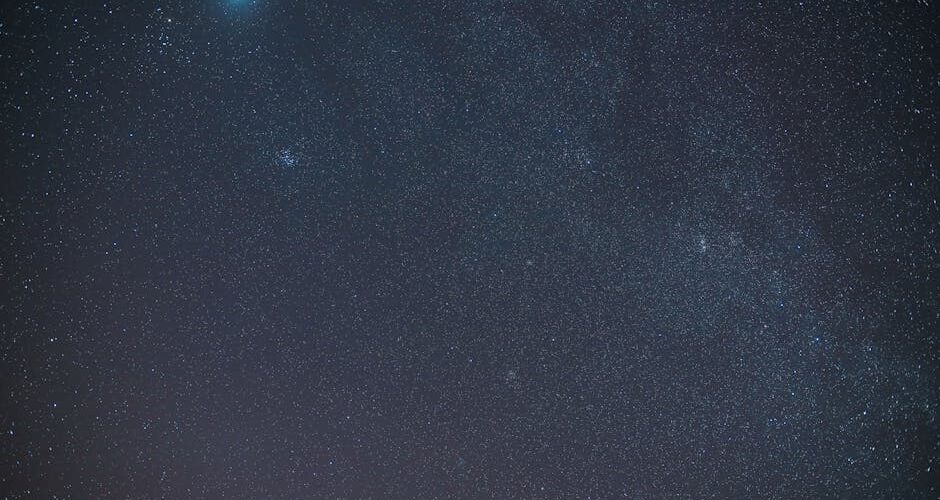
To get a clear view of the ISS, you’ll want to find a location with minimal light pollution. City lights can drastically reduce your ability to see faint objects in the sky, including the ISS. Head to a local park, a beach, or any open area away from streetlamps and buildings. In rural areas, the ISS can be an even more spectacular sight, blazing across skies filled with stars.
Using Technology to Aid Your Search
While the naked eye is sufficient to see the ISS, modern technology can help you precisely predict when and where it will appear. There are several apps and websites, such as Heavens Above or Spot The Station by NASA, which provide up-to-date information on ISS sightings specific to your location. These tools can alert you to upcoming passes, offering details such as time, direction, and altitude, ensuring you do not miss the event.
What to Expect During Your First Sighting
Seeing the ISS for the first time can be an awe-inspiring experience. Expect the station to appear as a bright, fast-moving star. It does not twinkle like regular stars since it reflects sunlight consistently. As it moves across the sky, it maintains steady brightness, usually visible for several minutes before disappearing into Earth’s shadow or behind the horizon.
Sharing the Experience
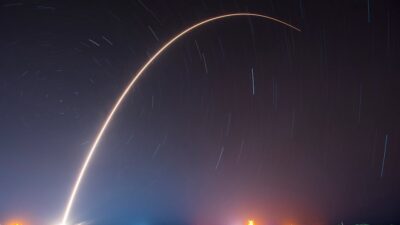
One of the joys of spotting the ISS is sharing the experience with others. Invite friends or family to join you for the sighting. For those eager to capture the moment, a camera with manual settings can photograph the ISS streaking across the backdrop of stars. Experiment with long exposure settings for stunning results, capturing not only the station but also the beauty of the cosmos.
Takeaway: Observing the International Space Station is both a simple and profound way to connect with our achievements in space exploration. By understanding when and where to look, along with using modern tools to aid your search, you can easily experience this celestial spectacle. Next time the skies are clear during twilight hours, take a moment to step outside and look up. You never know when the next pass might be your next glimpse into humanity’s journey amongst the stars.