As we look to the stars and plan our next steps in space exploration, there’s a fascinating project underway that aims to preserve humanity’s collective knowledge in the most unexpected of places: the Moon. In 2026, this ambitious initiative is reshaping how we think about data storage and cultural heritage, ensuring that even in the face of catastrophe, our achievements and wisdom won’t be lost to the void.
Why Store Information on the Moon?
With the increasing threats posed by climate change, geopolitical instability, and technological vulnerabilities, safeguarding Earth’s knowledge has never been more critical. Our planet’s archives are at risk, with data centers needing constant maintenance and protection from natural disasters and cybersecurity threats. Enter the lunar libraries—a visionary solution to preserve humanity’s legacy beyond Earth’s confines.
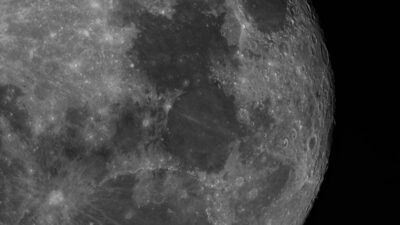
The Moon offers a stable environment for long-term data storage. Its lack of atmospheric activity and geological stability provides an environment where stored information could last for millennia. Moreover, the Moon’s surface has already been partially explored, making it a feasible location for this kind of project.
How Does It Work?
The process of archiving on the Moon involves engraving and encoding vast amounts of information onto ultra-durable materials. In 2026, teams are using advanced nanotechnology to etch data onto thin disks made of nickel and other metals known for their longevity and resilience. These disks can store millions of pages of text, images, and other forms of data. Additionally, the use of specialized coatings protects these disks from lunar dust and extreme temperature fluctuations.
Transporting these archives to the Moon involves collaboration between private aerospace companies and international space agencies. This year, several missions are set to deliver these precious cargoes to selected locations on the Moon’s surface, ensuring that they remain accessible to any future lunar explorers.
Not Just Scientific Data
While scientific and technological data are crucial, the lunar libraries are not limited to these fields. They encompass a broad spectrum of human achievement, including literature, art, music, historical texts, and cultural records. The goal is to create a comprehensive snapshot of human civilization, capturing the richness and diversity of our global cultures.
In 2026, this initiative is being guided by an international panel of cultural experts and historians who are meticulously curating the content. They aim to include works that represent various cultures, languages, and time periods, ensuring that the archive is as inclusive and representative as possible.
The Role of Artificial Intelligence
Artificial intelligence plays a pivotal role in the creation and maintenance of lunar libraries. AI algorithms are employed to select, organize, and compress data efficiently, optimizing the use of space on the storage disks. Moreover, AI ensures that the information is indexed and accessible, should future explorers need to retrieve it.
In 2026, AI is also being used to simulate potential scenarios that might affect the lunar libraries, such as meteorite impacts or lunar crust shifts, allowing teams to develop contingency plans to protect the archives.
Challenges and Future Prospects
While the concept of lunar libraries is captivating, it is not without its challenges. The cost of transportation to the Moon remains high, and there are technical hurdles related to the durability of materials and data retrieval methods. However, the progress made in 2026 suggests that these challenges are being addressed with innovative solutions.
Looking ahead, as more lunar missions are planned, the potential for expanding these archives is immense. The lunar libraries could eventually serve as a starting point for interstellar cultural exchange, providing future spacefarers with insights into Earth’s civilization. Moreover, as technology evolves, new methods of data storage and retrieval could further enhance the capabilities of these repositories.
Practical Takeaway: The lunar libraries project in 2026 underscores the importance of preserving our cultural and scientific heritage beyond Earth. As we continue to explore and expand our presence in space, ensuring the longevity of our collective knowledge becomes a key aspect of our journey. By using the Moon as a repository, humanity takes a proactive step towards safeguarding its legacy for future generations, both on Earth and beyond.