The Asteroid Mining Boom: A Cosmic Gold Rush
In the year 2026, asteroid mining has become one of the most thrilling frontiers of space exploration. With countless asteroids floating in the asteroid belt between Mars and Jupiter, these rocky bodies are proving to be treasure troves of valuable minerals and resources. Companies from around the globe are racing to tap into this celestial bounty, driving a new era of innovation and competition.
Asteroids like 16 Psyche, a massive body thought to be made up largely of nickel and iron, have become the focal point of these ventures. Its estimated worth? A staggering $10,000 quadrillion. The potential haul from just a single asteroid could dwarf the entire global economy, redefining wealth and resource distribution on Earth.
Technological Innovations: From Fantasy to Reality
For decades, asteroid mining was the stuff of science fiction, but rapid technological advances have transformed this dream into a tangible reality. Robotics, AI, and advanced propulsion systems are at the heart of this revolution, allowing spacecraft to travel farther and operate autonomously in harsh environments.
Companies like Planetary Resources and Deep Space Industries are leading the charge, deploying cutting-edge spacecraft capable of surveying, landing on, and extracting materials from asteroids. These missions utilize AI to navigate and make real-time decisions, while advanced robotics handle the complex task of mining in low-gravity environments.
Environmental and Economic Impacts on Earth
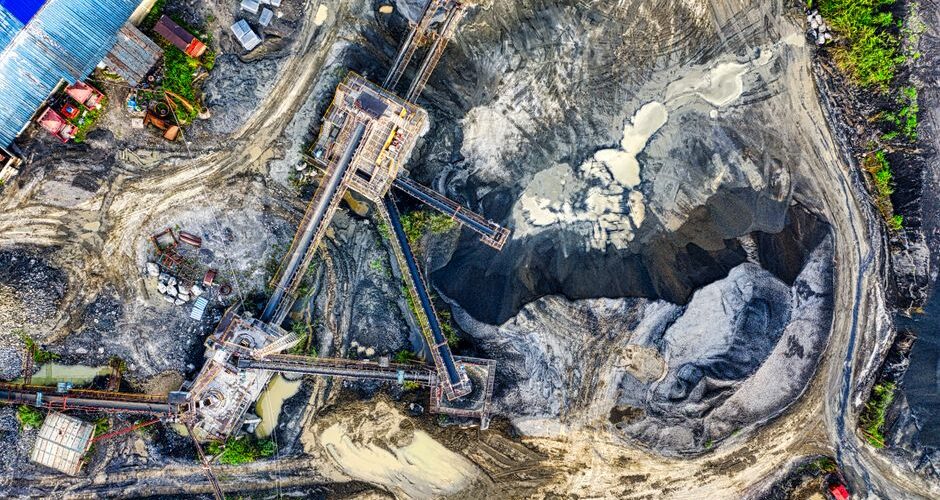
As we stand on the cusp of this new era, the implications for Earth are profound. The ability to source critical materials like platinum, rare earth elements, and other metals from space could alleviate the environmental pressures associated with terrestrial mining. This shift could dramatically reduce the ecological footprint of resource extraction, preserving our planet’s landscapes and ecosystems.
Economically, the influx of new resources could reshape global markets. Nations without natural mineral wealth could become key players in the space economy, leveling the playing field and fostering new partnerships. However, this potential wealth also raises questions about regulation, ownership, and the equitable distribution of space resources.
International Cooperation and Ethical Considerations
The prospect of asteroid mining demands robust international cooperation and legal frameworks to prevent conflicts and ensure fair practices. In 2026, the United Nations has been pivotal in facilitating discussions, bringing countries together to establish guidelines that promote responsible and sustainable resource extraction in space.
Ethical considerations also loom large. Questions about who has the right to mine these celestial bodies and how to manage the profits are at the forefront of international debates. Ensuring that the benefits of space resources are shared globally and not monopolized by a few powerful entities is crucial to the future of this industry.
The Human Element: Challenges and Opportunities
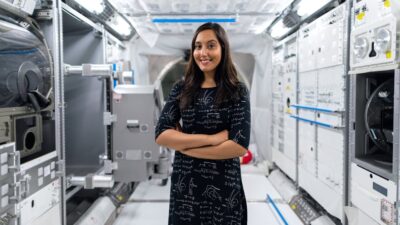
Beyond the technical and economic aspects, asteroid mining presents unique challenges and opportunities for humanity. It requires a new generation of skilled professionals adept in space science, engineering, and business, opening up exciting career paths and educational opportunities.
Moreover, the spirit of collaboration and innovation that drives asteroid mining can inspire humanity to push the boundaries of what is possible, fostering a sense of curiosity and exploration. The exploration of asteroids is not just about economic gain; it’s about expanding our horizons and understanding our place in the universe.
Practical Takeaway: Preparing for a Space-Faring Future
As we look to the stars, asteroid mining stands as a testament to human ingenuity and ambition. For those interested in participating in this burgeoning industry, now is the time to invest in education and skills related to space technology and policy. By preparing today, we can ensure a future where space resources are harnessed responsibly and benefit all of humanity.