The Rise of Virtual Space Missions in Classrooms
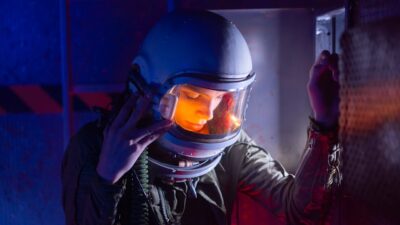
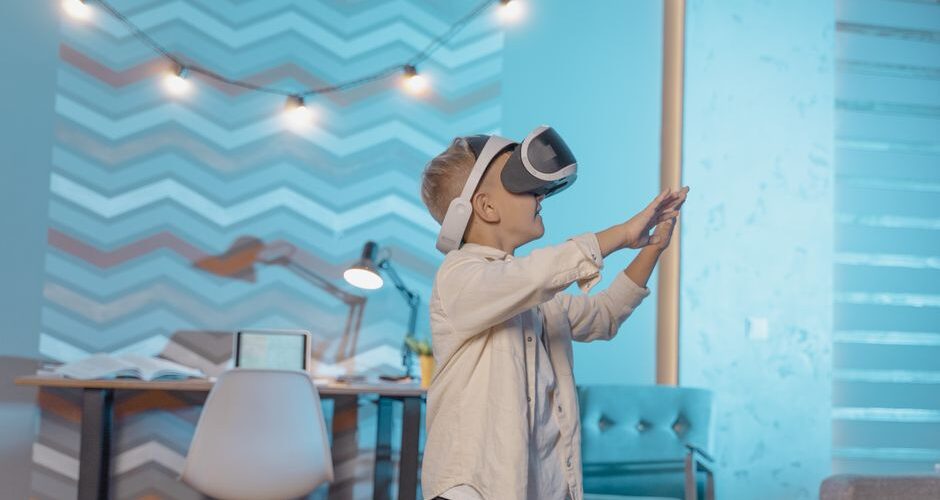
The year 2026 has marked a revolutionary shift in how space education is delivered to students across the globe. With advancements in virtual reality (VR) technology, students can now participate in simulated space missions without leaving their classrooms. This immersive experience allows learners to explore distant planets, navigate through asteroid belts, and even experience the zero-gravity environment of a space station. Schools in the United States, Japan, and Germany are at the forefront, utilizing VR headsets to bring the cosmos closer than ever before. By offering interactive, hands-on experiences, this technology is sparking a newfound interest in space sciences among young learners.
Global Partnerships in Space Education
In 2026, international collaborations have become the cornerstone of space education. Organizations like NASA and the European Space Agency (ESA) have partnered with educational institutions worldwide to provide students with access to cutting-edge research and data. These partnerships have led to the creation of global space science curriculums that integrate the latest scientific discoveries with traditional learning. For instance, students in South Korea are analyzing real-time data from the James Webb Space Telescope, fostering a sense of global unity and shared scientific pursuit. Such initiatives are cultivating a generation of students who are not only knowledgeable about space but also eager to contribute to international scientific efforts.
The Role of AI in Personalized Learning Experiences
Artificial intelligence (AI) is playing a pivotal role in customizing space education to fit individual student needs. With AI-powered platforms, educators can tailor lesson plans that cater to different learning paces and styles. For example, a student fascinated by black holes can delve deeper into this topic through AI-curated modules that offer advanced simulations and interactive content. These platforms also provide teachers with valuable insights into student progress, enabling them to identify areas where learners may need additional support. The use of AI is ensuring that no student is left behind, creating a more inclusive and effective educational environment.
The Influence of Popular Culture on Space Interest
Space-themed movies, television series, and video games have always captivated audiences, but their influence on space education has never been more pronounced than in 2026. With blockbuster releases like “Cosmic Drift” and “Mars Frontier,” students are finding new inspiration to engage with space sciences. Educators are leveraging this interest by incorporating elements from popular culture into their teaching methods. For instance, a physics teacher might use a scene from “Mars Frontier” to explain the principles of planetary motion or discuss the challenges of interstellar travel. By connecting classroom learning with popular media, educators are making space science more relatable and engaging for students.
Practical Takeaway: Nurturing Future Space Scientists
The advancements in space education in 2026 highlight the importance of nurturing a passion for science and exploration from a young age. Parents and educators alike can support this interest by encouraging curiosity, providing access to educational resources, and fostering a learning environment that values creativity and inquiry. As the next generation grows up with unprecedented access to space education tools and experiences, they will be well-equipped to tackle the challenges of tomorrow’s space missions. By investing in transformative educational practices today, we are paving the way for the future scientists and explorers who will continue humanity’s journey into the cosmos.