The Legacy of the Voyager Probes: Still Traveling in 2026
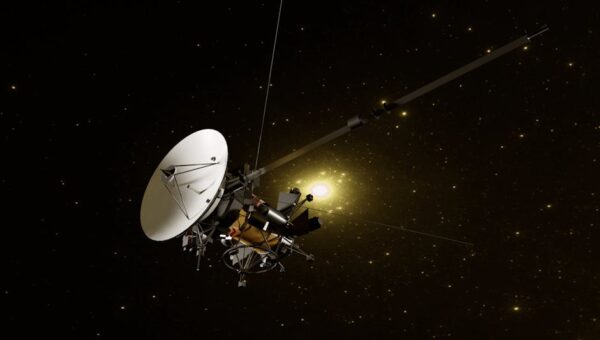
The Voyager probes, launched in 1977, continue to explore beyond our solar system in 2026, surpassing all expectations and leaving a lasting legacy in space exploration.
History and space exploration and science
The Voyager probes, launched in 1977, continue to explore beyond our solar system in 2026, surpassing all expectations and leaving a lasting legacy in space exploration.

Engaging kids in the mysteries of the universe through storytelling, hands-on activities, and technology fosters curiosity and a love for learning.
Explore the wonders of space with these 10 must-watch documentaries of 2026, offering an engaging blend of science and storytelling.
Dark matter, comprising about 27% of the universe, plays a critical role in our understanding of cosmic formation and challenges existing physics, driving the search for new theories and technological advancements.
Space tourism is transforming future space missions by driving technological advancements, increasing funding, and sparking public interest, while raising environmental and ethical concerns.
Learn how to spot the International Space Station with just the naked eye, and enjoy a celestial spectacle that highlights human achievement in space exploration.
Long-duration space missions present significant challenges for astronauts, from psychological isolation to physical health issues exacerbated by microgravity and radiation.
2027 promises to be a pivotal year in the search for extraterrestrial life, with new missions, technology, and data analysis methods offering exciting possibilities.
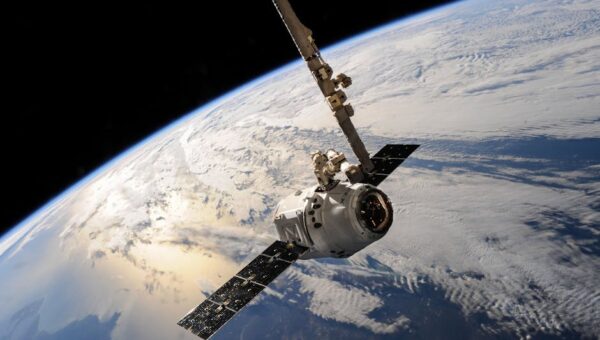
In 2026, satellites are more vital than ever, revolutionizing communication, enhancing climate monitoring, and advancing scientific research. These unsung heroes in space are integral to our daily lives.
Discover how you can contribute to space exploration through engaging citizen science projects. From planet hunting to analyzing Mars rover images, the opportunities are vast and accessible.