The Psychological Weight of Isolation
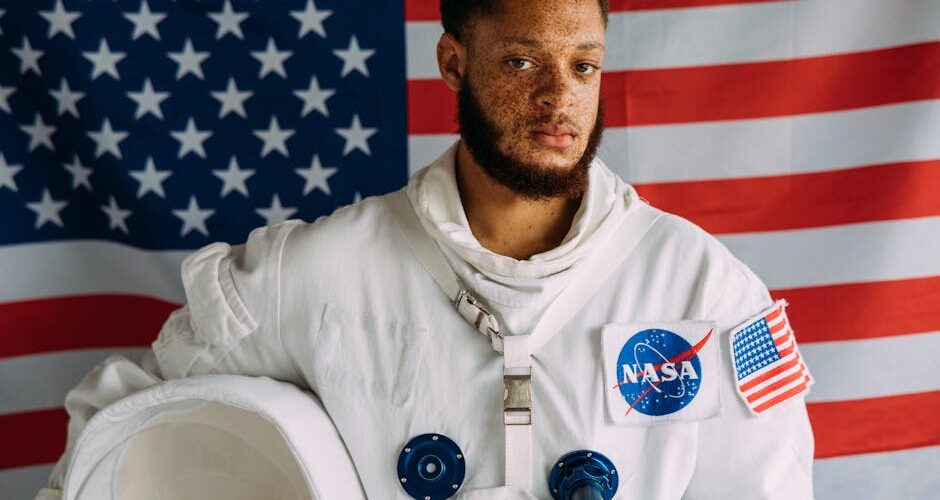
Imagine being millions of miles away from home, surrounded by the cold void of space. For astronauts on long-duration space missions, isolation is a formidable opponent. Psychological health is paramount, and the isolation experienced in space can lead to significant mental health challenges.
NASA and other space agencies are acutely aware of the potential for depression, anxiety, and stress related to prolonged isolation. They’ve found that beyond the thrill of exploration, the human mind craves social interaction. Virtual reality systems are being developed to provide astronauts with simulated environments of family gatherings, parks, and even concerts to help mitigate these feelings. However, nothing can truly replace the warmth of human contact. Future missions to Mars, which could last up to three years, will need to address these challenges head-on.
The Strain of Microgravity on the Human Body
Microgravity is a curious and fascinating state for the untrained observer, but for astronauts, it presents a suite of physical challenges. In the weightless environment of space, bones lose density, muscles atrophy, and fluids in the body shift toward the head, causing “moon face”.
Astronauts aboard the International Space Station (ISS) must spend about two hours daily exercising to combat muscle and bone loss. Despite these efforts, astronauts can lose up to 1% to 2% of bone mass each month. The development of advanced exercise equipment and pharmaceuticals to counteract these effects is essential for future long-haul space missions.
Radiation: An Invisible Threat
Space radiation poses one of the most significant risks for long-term missions. Beyond the protective shield of Earth’s magnetosphere, astronauts are exposed to cosmic rays and solar radiation that can damage DNA and increase the risk of cancer and other diseases.
Space agencies are investing in radiation shielding technologies. For instance, water and polyethylene have been tested as potential radiation absorbers. Also, innovative designs like the European Space Agency’s ‘mini-magnetosphere’ project aim to create a magnetic field around spacecraft to deflect harmful particles. Nevertheless, the challenge remains: finding materials and methods that provide sufficient protection without adding excessive weight to the spacecraft.
The Perils of Deep Space Travel
Traveling deeper into space exposes astronauts to unique dangers. The vast distances involved pose logistical challenges for communication and navigation. Real-time communication, which we take for granted, becomes impossible. For example, messages to Mars can take up to 22 minutes to reach Earth.
Without direct communication, autonomy becomes crucial. Astronauts must be highly trained to troubleshoot and resolve problems independently. The development of artificial intelligence systems that can assist with decision-making and problem-solving is a crucial area of research.
Limited Resources and Sustainability
Spacecraft must be designed with the foresight that resupply missions are not an option. This means everything—air, water, food, and energy—must be meticulously planned and conserved. Technologies that recycle water and air are already in place on the ISS, but the closed-loop life support systems needed for Mars missions must be even more efficient.
Research into growing food in space is crucial. The European Space Agency’s MELiSSA project is exploring how to sustain a biological life support system where plants, algae, and microorganisms produce air and food. The success of such systems could dramatically reduce the need for supplies from Earth.
Maintaining Physical Health in Space
Beyond combating bone and muscle loss, astronauts must stay healthy to fulfill their missions. Space medicine is evolving to address medical emergencies that could occur millions of miles from the nearest hospital.
Telemedicine and autonomous medical diagnostics tools are being developed to allow astronauts to conduct medical procedures independently. Moreover, 3D printing of medical tools and even medications is being explored as a solution to unexpected medical needs.
Re-Entry and Landing: The Final Hurdle
The journey back to Earth is fraught with its own challenges. Re-entry into Earth’s atmosphere at high speed subjects spacecraft to intense heat and pressure. Engineers must ensure that heat shields and other technologies are robust enough to protect both the craft and its inhabitants.
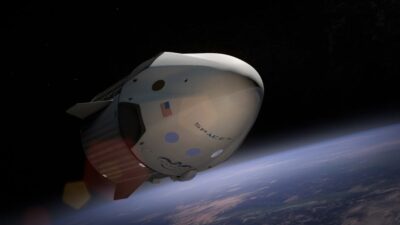
Landing is another critical stage. Systems like SpaceX’s Starship are exploring advanced landing techniques to ensure safe return. As missions extend to planets like Mars, landing technology will need to adapt to different atmospheres and terrains. Each planet presents unique challenges, requiring tailored solutions for safe arrivals.
Practical Takeaway
As we look toward a future where humans live and work on other planets, addressing these challenges is not just a matter of convenience—it’s a necessity. The work being done today in research centers and space agencies around the world is paving the way for a new era of exploration, underscoring humanity’s resilience and determination to reach beyond the stars.