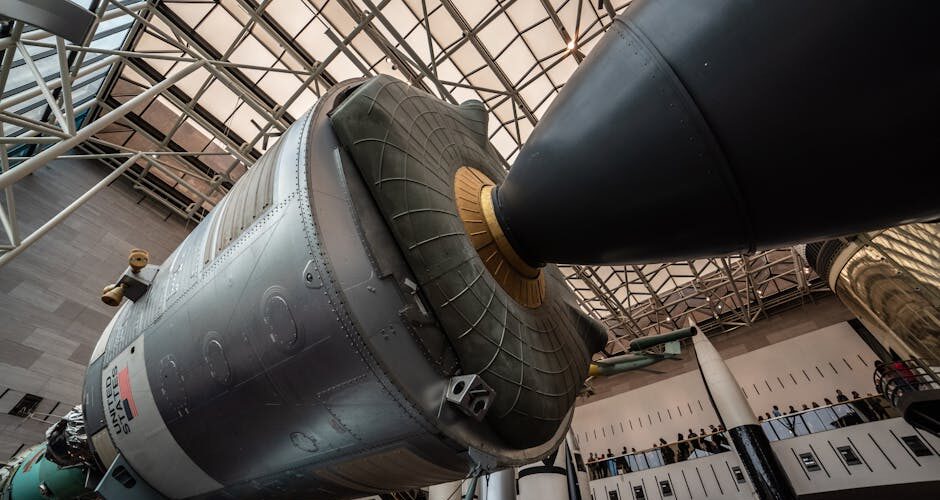
How to Prepare for Your First Visit to a Space Museum
Stepping into a space museum is like embarking on a voyage through time and the cosmos. It’s where humanity’s boldest dreams and greatest achievements are on full display. Whether you’re an avid space enthusiast or simply curious about what’s beyond our planet, your first visit to a space museum will be an unforgettable experience. Here’s how to make the most of it.
Research Your Destination
Space museums come in various shapes and sizes, each offering a unique glimpse into the history of space exploration. Before your visit, take some time to research the available museums in your area or those you’re planning to visit. For instance, the Smithsonian National Air and Space Museum in Washington, D.C., is home to the Apollo 11 command module and other iconic artifacts. Meanwhile, the Space Center Houston in Texas offers an up-close look at a full-scale replica of the Space Shuttle and the historic Mission Control Center.
Each museum has its strengths, so identifying what excites you most can enrich your experience. Are you fascinated by the early missions to the moon, or do you want to learn more about the future of Mars exploration? Knowing what the museum focuses on will help you tailor your visit to your interests.
Plan Your Visit
Timing is crucial for a successful visit to a space museum. Check the museum’s website for their hours of operation, special exhibits, and any events happening during your visit. Some museums might have guided tours, which can be a great way to gain deeper insights into the exhibits.
Allocate sufficient time for your visit. Space museums can be vast, with many exhibits demanding your attention. A half-day visit is usually a good starting point, but you might want to set aside a full day if you’re particularly passionate about space science.
Engage with the Exhibits
Once inside, it’s easy to be overwhelmed by the sheer amount of information and artifacts. Here are a few tips to help you engage with the exhibits:
- Take Your Time: Don’t rush through the exhibits. Pause to read the information panels and watch any accompanying videos.
- Interact: Many museums offer interactive displays. For example, you might find simulators where you can experience landing a spacecraft or navigating a rover on Mars. These hands-on activities are not only fun but educational too.
- Ask Questions: If you encounter museum staff or guides, don’t hesitate to ask questions. They often have fascinating insights and stories that aren’t available from the displays alone.
Capture the Moment
Remember to bring a camera or ensure your smartphone is charged to capture the highlights of your visit. Museums often have photo-friendly areas, like replicas of spacecraft or suits worn by astronauts during iconic missions. However, be respectful of any restrictions on photography, particularly around sensitive or fragile exhibits.
Consider taking notes or using an app to jot down interesting facts or thoughts that come to mind. You might want to research more about certain topics after your visit, or these notes could be a great conversation starter with fellow space enthusiasts.
Explore the Gift Shop
Don’t rush out once you’ve toured the exhibits. Space museum gift shops are treasure troves of unique souvenirs, educational kits, and books. Whether it’s a model rocket, a space-themed T-shirt, or a detailed book on the history of space exploration, there’s something for everyone who wants to take a piece of the cosmos home.
Practical Takeaway
Visiting a space museum is more than a learning opportunity; it’s a chance to ignite your imagination and curiosity. By preparing ahead, engaging deeply with the exhibits, and reflecting on what you’ve learned, you can transform a simple museum visit into a journey across time and space. Who knows? Your visit might inspire you to look at the stars a little differently or even pursue further studies in astronomy or space science.