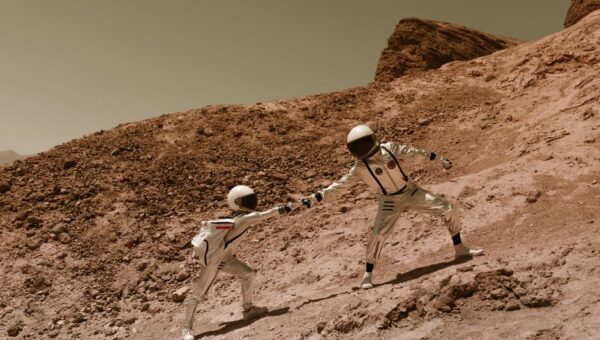
The Expanding Universe of Space Technologies: How 2026 is Shaping Our Future
In 2026, space exploration is being redefined by advancements in propulsion, commercialization, and AI, transforming how we explore and utilize our universe.
History and space exploration and science
In 2026, space exploration is being redefined by advancements in propulsion, commercialization, and AI, transforming how we explore and utilize our universe.
Quantum computing is transforming space exploration by enhancing navigation, accelerating astrophysical simulations, improving communication, and aiding the search for extraterrestrial life.
Explore the burgeoning field of space archaeology in 2026, where scientists piece together the history of human activity in space from lunar artifacts to defunct satellites.
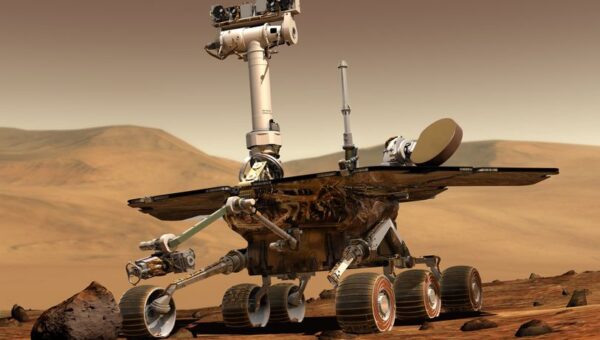
2026 marks a pivotal year in humanity’s quest to colonize Mars, with technological advances bringing us closer to becoming a multi-planetary species. This article explores current missions, innovations, and the ethical questions surrounding our next great leap.
Discover how ancient celestial maps are guiding modern space exploration, bridging the past and future of astronomy.
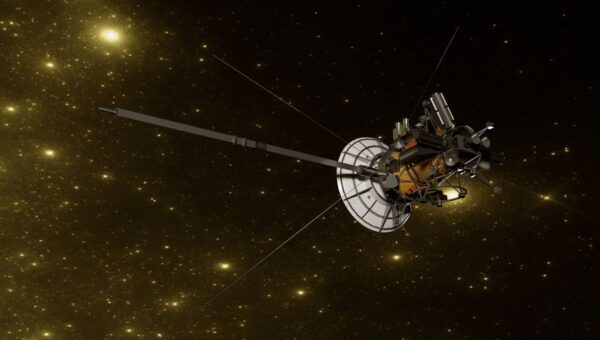
The Voyager probes, launched in 1977, continue to explore beyond our solar system in 2026, surpassing all expectations and leaving a lasting legacy in space exploration.
Engaging kids in the mysteries of the universe through storytelling, hands-on activities, and technology fosters curiosity and a love for learning.
Explore the wonders of space with these 10 must-watch documentaries of 2026, offering an engaging blend of science and storytelling.
Dark matter, comprising about 27% of the universe, plays a critical role in our understanding of cosmic formation and challenges existing physics, driving the search for new theories and technological advancements.
Space tourism is transforming future space missions by driving technological advancements, increasing funding, and sparking public interest, while raising environmental and ethical concerns.